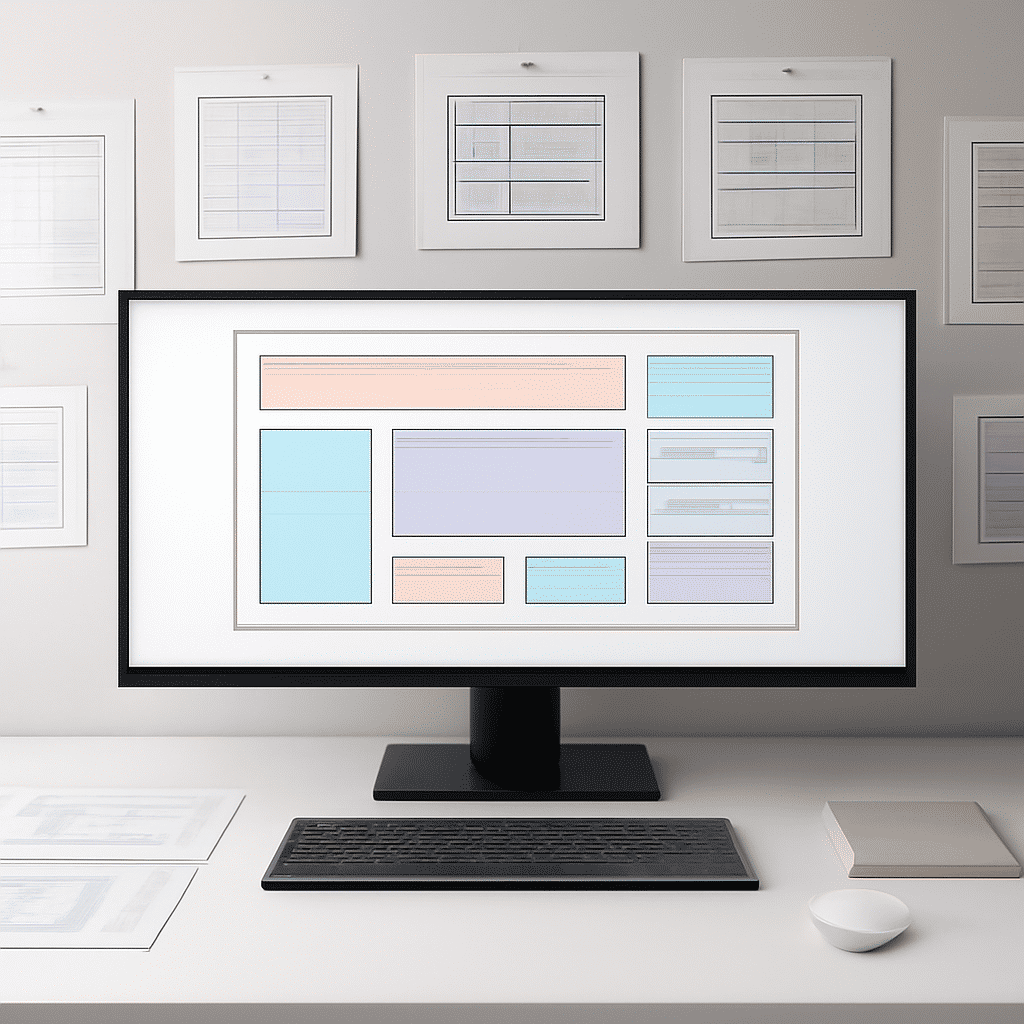
In the ever-evolving digital landscape, creating an engaging and user-friendly web platform is crucial for cultivating a positive experience and ensuring that audiences can access information smoothly. One of the fundamental aspects of this experience lies in the design and structure of web layouts, which play a pivotal role in how content is presented and perceived across various devices.
A well-structured web layout begins with a clear understanding of hierarchy, allowing users to effortlessly navigate through content. This hierarchy is achieved through a combination of design elements such as typography, color, spacing, and contrast. These elements guide the user's eye to important information and actions, ensuring that critical content is highlighted appropriately. For instance, larger fonts and bolder colors can be used for headings and calls-to-action, immediately drawing attention and encouraging interaction.
Responsive design is another cornerstone of effective web layout. As users access websites from a diverse range of devices, from desktops to smartphones, it’s essential that layouts adapt seamlessly to all screen sizes. This fluidity is achieved through flexible grids, adaptable images, and media queries that enable layouts to reformat and prioritize content according to the dimensions of the user's device. By ensuring that web layouts are responsive, designers can provide an optimal experience regardless of the user’s device, which is key to maintaining engagement and accessibility.
Balancing aesthetics with functionality is often a challenge, but it is essential to maintain an intuitive interface. White space, or negative space, should not be underestimated as it enhances readability and reduces cognitive overload. By offering breathing room around elements, white space allows users to focus on content without feeling overwhelmed, thereby facilitating a more pleasant browsing experience.
Navigation structure is also integral to a cohesive layout. Intuitive navigation menus and breadcrumb trails can significantly enhance usability, offering users a straightforward path to traverse the website. The placement and structure of navigation elements, such as sticky headers or collapsible sidebars, can aid in keeping users oriented and engaged with the content.
Moreover, the strategic use of multimedia elements, like images, videos, and animations, can enrich the user experience when incorporated thoughtfully. These elements should complement the textual content and align with the overall design ethos of the website, leading to more dynamic interactions.
Lastly, accessibility should be a fundamental consideration in web layout design. Ensuring that the site is accessible to people with disabilities not only opens the content to a wider audience but also aligns with modern ethical standards of digital inclusivity. This includes implementing features like text alternatives for images, keyboard navigability, and ensuring sufficient contrast ratios.
In conclusion, effective web layouts require a symbiotic blend of design principles, technological adaptability, and user-centric considerations. By focusing on structured, adaptive, and accessible design, creators can ensure that their web platforms deliver content efficiently and engage users across the digital spectrum.